
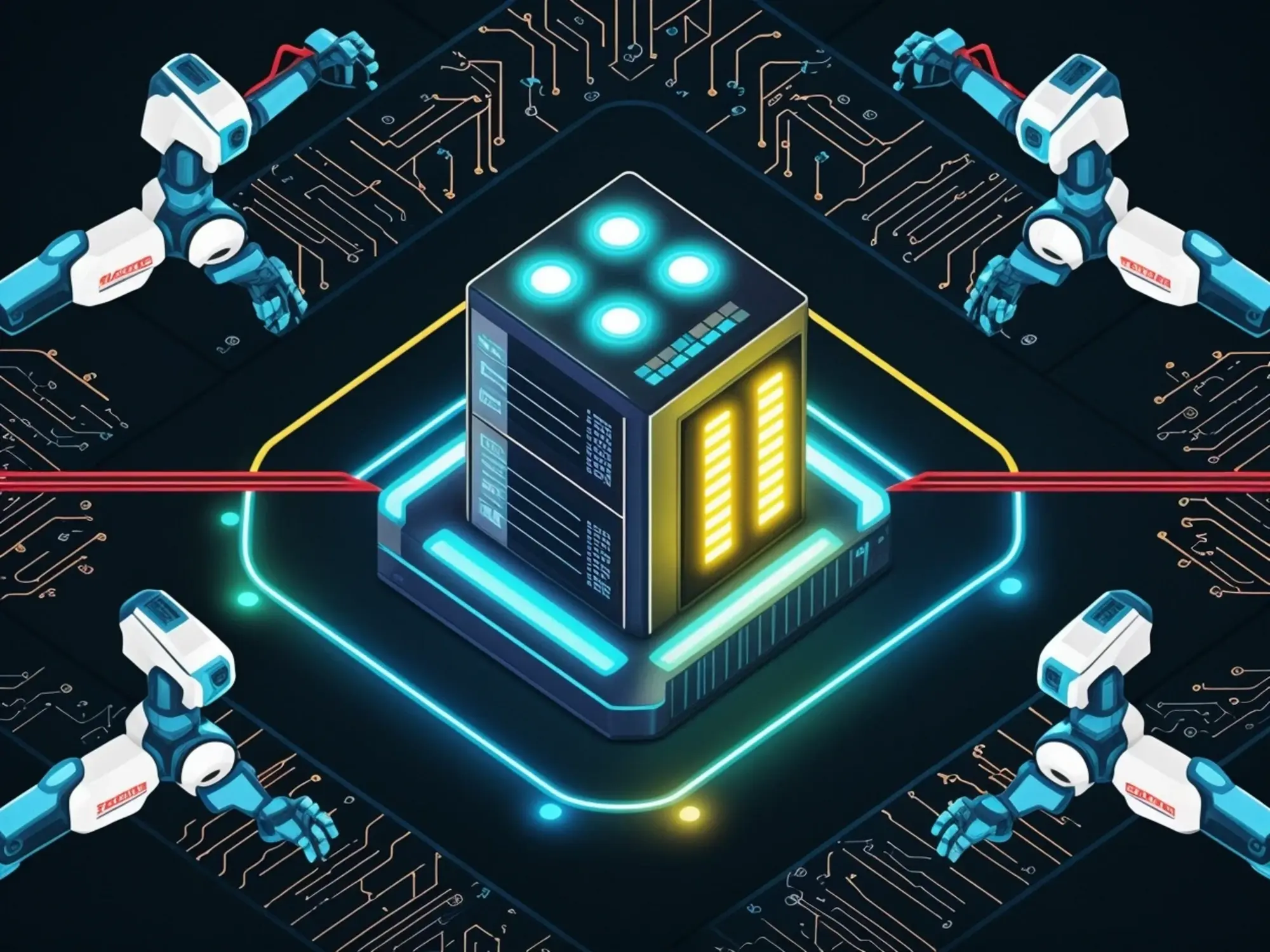
In today’s rapidly evolving technological landscape, decentralized AI is dramatically transforming GPU computing. The increasing demand for affordable processing power necessitates innovative solutions. Platforms like io.net are becoming pivotal in delivering scalable and efficient computing resources, thus empowering AI innovation at unprecedented scales.
The pressing need for decentralized infrastructure in AI
As competition intensifies among cloud computing providers, traditional GPU solutions are struggling to meet the demands of modern AI applications. Many conventional methods are not designed to handle the unprecedented scale of computational requests. Decentralized infrastructure offers a solution by providing resources that are not limited by the constraints of traditional facilities.
Accessibility remains a critical factor in advancing AI technologies. Many startups face struggles in acquiring the necessary computation resources, often priced out by established providers. This issue highlights the importance of adopting decentralized models, which can democratize access across various sectors. In fact, according to recent reports, decentralized systems tend to be more cost-effective, allowing a broader range of players to contribute to and benefit from AI advancements.
How io.net facilitates cost-effective GPU computing
io.net stands at the forefront of this revolution by implementing an innovative approach to GPU computing. Their unique model pools underutilized computing power from across a network, creating a shared resource that remains accessible to developers and companies alike. This not only drives down costs significantly but also encourages resource efficiency compared to traditional cloud services.
The strategies employed by io.net showcase how decentralized platforms can adapt to meet the needs of a growing AI marketplace. Through mechanisms such as the $IO token, they incentivize participation in their decentralized infrastructure, fostering an environment ripe for innovation. As noted by Blocmates, this framework offers services at costs that can be up to 90% lower than traditional providers, making advanced computational resources more reachable.
Transforming the AI marketplace through innovative solutions
The dynamics of the AI marketplace are rapidly changing as decentralized infrastructures become more influential. Traditional players struggle to keep pace with the increasing demands for GPU resources, and innovative solutions like DePINs (Decentralized Physical Infrastructure Networks) play a crucial role in this transformation. These networks maximize the utility of computing resources, resulting in enhanced competition among service providers.
Such innovations not only bolster competition but also lead to technological advancements that may redefine how enterprises utilize AI. As decentralized systems evolve, they promise enhanced transparency and accountability—critical factors that many in the industry value highly. Thus, fostering an AI marketplace that thrives on collaboration and innovation opens up myriad opportunities for startups and existing companies alike.
Current trends in GPU computing and AI resources
Recent statistics illustrate a profound growth in demand for computing power, with research indicating that demand has effectively doubled every 3-4 months for the past decade. This surge is in part driven by the explosion of AI startups, which require vast computational resources that traditional providers often cannot supply. For example, companies like NVIDIA experienced a staggering rise, with their stock surging 239% in 2023, reflecting the increasing value placed on GPU power in AI applications (CoinMarketCap).
Furthermore, analysis reveals that GPU resource consumption continues to climb, emphasizing a pressing need for solutions that can keep up without overextending existing infrastructure.
Insights on scalability and efficiency from decentralized models
One of the standout benefits of decentralized models is their scalability. Free from the constraints of traditional centers, GPU clusters can be expanded or contracted based on project needs, which is particularly beneficial for AI projects that experience fluctuating resource requirements. Real-world examples demonstrate how significant increases in efficiency can be achieved through decentralized systems.
Many partnerships have been established to enhance resource allocation within these frameworks, as seen with io.net’s collaboration with various platforms, including technologies like Render and Filecoin. Such integrations not only facilitate scalability but also promote a sustainable ecosystem where AI applications can thrive.
Future implications of decentralized AI in computing
Envisioning the future of AI in a post-decentralization landscape suggests a significant shift in how businesses and startups operate. The potential impacts include lowered barriers for new entrants into the field, fostering greater diversity of ideas and innovations. Moreover, sustainable decentralized GPU computing solutions can mitigate environmental concerns tied to traditional data centers.
Ultimately, the rise of decentralized AI promises to reshape the technological landscape dramatically. As these platforms mature and fully realize their potential, they will empower creatives and innovators, ensuring that the hefty computational needs of tomorrow’s AI are met efficiently and sustainably。