
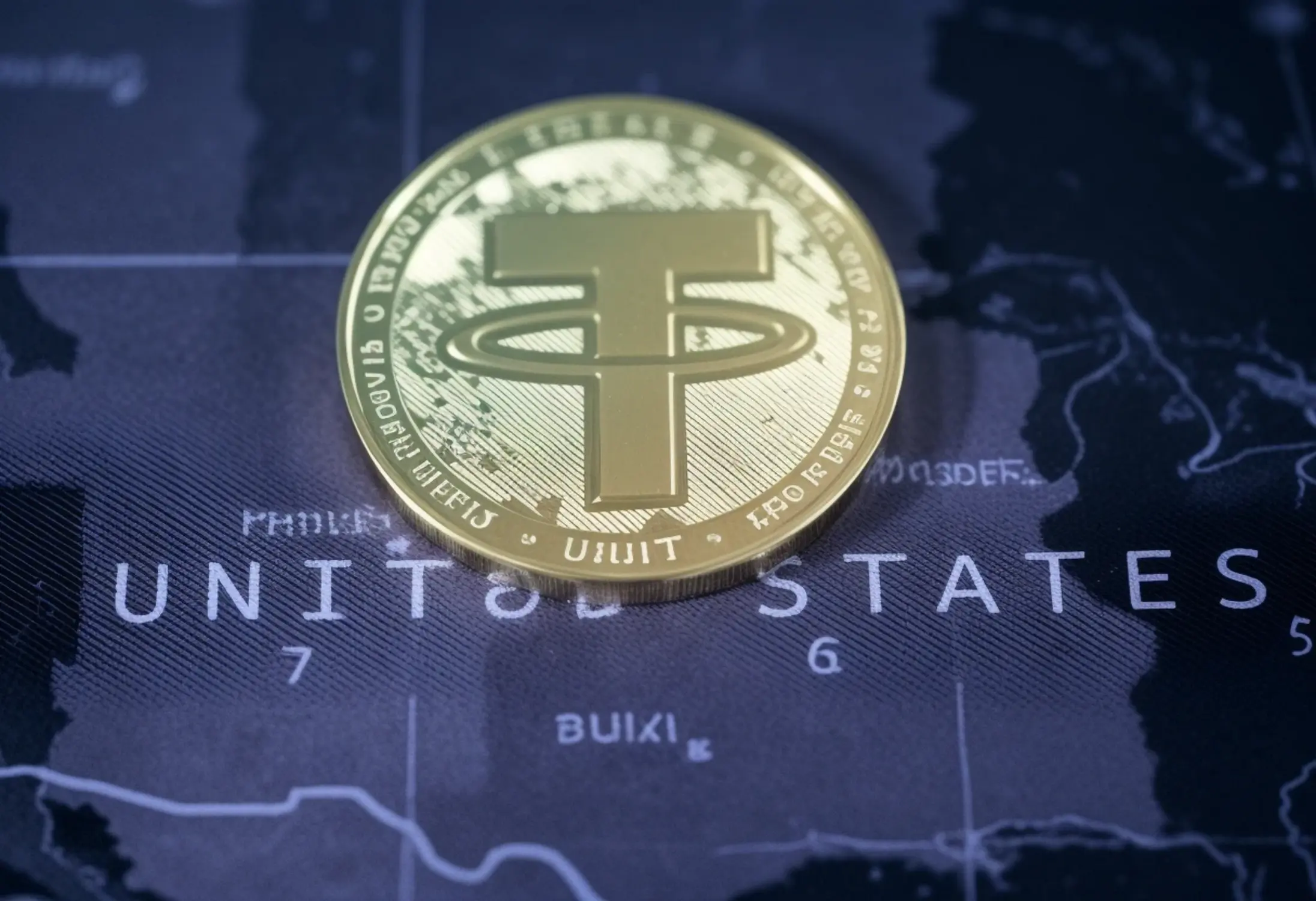
The surge of Tether’s $187 billion expansion signals a pivotal shift in the stablecoins risks landscape, offering fresh opportunities for US regional banks to innovate and adapt. Establishing a foothold in an evolving cryptocurrency market can enhance their resilience against economic volatility.
Understanding Stablecoins Risks in Today’s Economy
Stablecoins present unique risks that could impact traditional banking systems. These digital currencies, designed to maintain a stable value by being backed against fiat currency or other assets, are not immune to market fluctuations. A key risk is the lack of regulatory oversight which can lead to significant volatility if larger market events occur. As noted in recent discussions, the failures of several prominent stablecoins highlight the need for robust risk management strategies within regional banks that engage with these digital assets.
For example, the collapse of Terra’s UST in mid-2022 demonstrated the dangers of over-issuance without sufficient backing. Such events serve as cautionary tales, impacting the strategies that US regional banks may adopt. Regional banks must navigate these risks carefully, as they could potentially face liquidity issues and reputational damage when engaging with stablecoins. Overall, understanding these risks is crucial for institutional players aiming to tap into the stablecoin market while safeguarding their financial stability.
The Impact of Tether on the Stablecoin Market
Tether has established itself as the dominant player in the stablecoin market, with a market capitalization greater than all its competitors combined. As reported, Tether’s CEO Paolo Ardoino announced plans to leverage its dollar-backed stablecoin USDT to not only expand its market presence but also to actively participate in various industries, such as telecommunications and media. This expansion signifies a deeper integration of stablecoins into traditional economic sectors, raising questions about the competitive landscape of digital currencies.
Comparison with other stablecoins reveals that while Tether leads in market cap, competitors like USD Coin (USDC) and Binance USD (BUSD) are also eyeing market expansions. If Tether’s growth strategy is successful, it might redefine how stablecoins operate and influence global liquidity. This makes it imperative for regional banks to closely monitor Tether’s activities to seize potential opportunities and mitigate risks associated with rapid market shifts.
US Regional Banks: Opportunities and Challenges
The current landscape for US regional banks in the cryptocurrency adoption process is both promising and fraught with challenges. Many banks are pondering partnerships with stablecoin issuers to enhance their financial offerings. These relationships could open doors to new revenue streams, but they also require a delicate balancing of risk management alongside innovation.
Currently, regional banks face barriers, including regulatory uncertainty and technological gaps that hinder cryptocurrency integration. However, they can benefit from Tether’s broadening ecosystem. As observed in recent developments, banks that form strategic partnerships can access new customer bases while navigating the complexities of stablecoin risks. This balance between cautious exploration and bold innovation could be a game-changer for regional banks looking to thrive in the digital economy.
What Tether’s Growth Means for Financial Stability
Tether’s significant asset base raises questions regarding its implications for the overall financial system. With over $15 billion reported in profits and substantial assets deployed across various sectors, Tether’s expansion can impact liquidity and banking operations across the board. As Tether grows, it becomes necessary for financial institutions to ensure that they can cope with the increased demand on liquidity.
Tether’s investments, particularly in technology and infrastructure, can also lead to unexpected shifts in market dynamics. If Tether continues to thrive, it could set a precedent for how digital currencies are integrated into financial systems globally. Therefore, US regional banks must consider how Tether’s influence could reshape their operational frameworks and liquidity strategies, ensuring that they remain competitive and resilient.
Strategies for Regional Banks to Adapt
To capitalize on the rising prominence of stablecoins like USDT, US regional banks must implement several strategic initiatives. Actionable steps include adopting comprehensive risk management frameworks tailored to the unique characteristics of stablecoins. This could involve creating specific protocols for assessing stablecoin volatility and developing robust compliance measures.
Additionally, investing in technology is vital. Regional banks should strengthen their technological capabilities, enabling them to engage effectively in the cryptocurrency market. By enhancing their digital infrastructures, these banks can facilitate smoother transactions and better customer experiences. This proactive approach can position them favorably in the rapidly evolving financial landscape defined by cryptocurrencies.
Future of Stablecoins and Regional Banks
The evolution of stablecoins is poised to significantly affect the banking sector. Predictions suggest that as stablecoins gain broader acceptance, US regional banks could play a pivotal role in stabilizing the economic landscape. By strategically positioning themselves and forming alliances with stablecoin issuers, regional banks can navigate challenges and embrace cryptocurrency opportunities effectively.
Long-term implications for economic stability remain contingent on how well these banks adapt to emerging technologies. As Tether’s expansion demonstrates, the opportunities are vast, but the associated risks cannot be ignored. By taking a thoughtful approach, US regional banks can not only thrive in this new environment but also contribute to a more stable financial future.